Carbon Monitoring

Climatic and carbon monitoring involves tracking and analyzing various climate indicators and greenhouse gas emissions to understand climate change and its impacts. This is critical for informing policy decisions, directing conservation efforts, and fostering sustainability

Key Components of Carbon Management

Carbon Accounting and Measurement

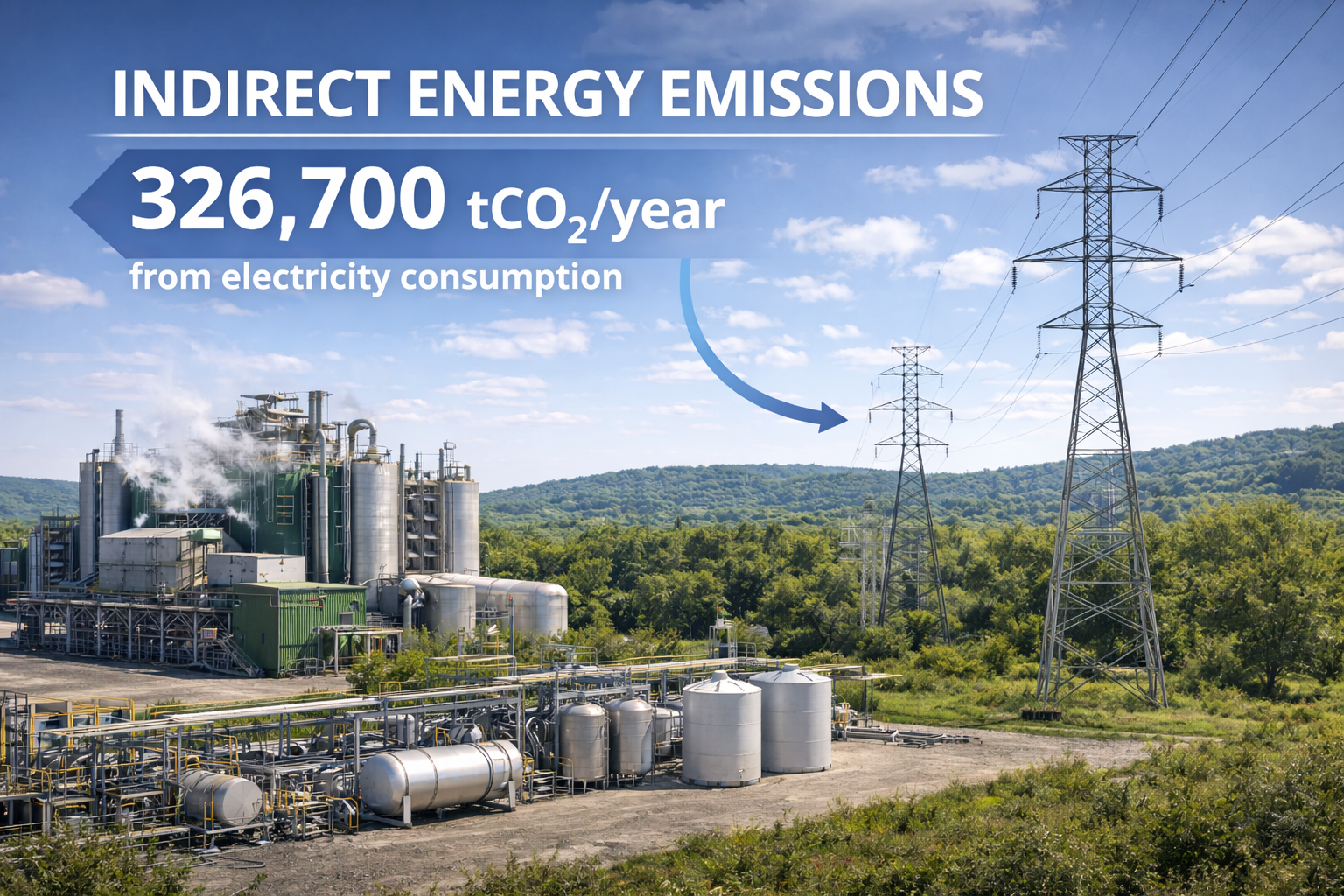
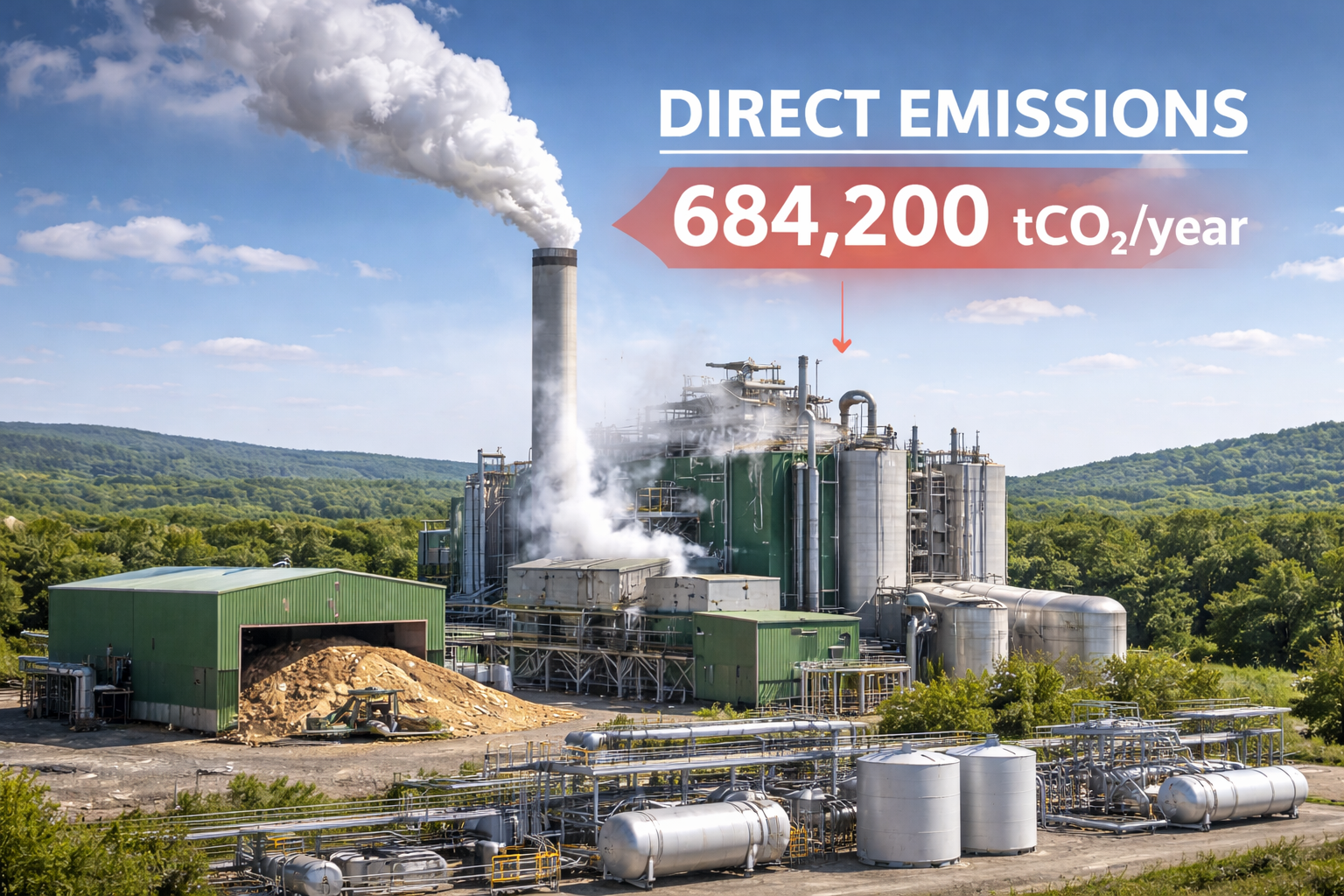
Carbon Footprint Assessment: This process involves analyzing the total emissions produced directly and indirectly by an organization, product, or activity, usually measured in carbon dioxide equivalents (CO₂e).

Monitoring Tools

Technologies such as digital dashboards, sensor networks, and software platforms that facilitate real-time tracking of emissions help organizations streamline their carbon management efforts and make data-driven decisions.

Digital Dashboards

Visualize emissions data in real time, track progress, and make data-driven decisions efficiently.

Sensor Networks

Deploy IoT sensors to monitor emissions across facilities in real time for accurate data collection.

Software Platforms

Manage, analyze, and report emissions data with integrated software solutions for carbon management.

Emission Reduction Strategies

Energy Efficiency

Involves optimizing resource use to reduce energy consumption which, in turn, lowers carbon emissions. This includes upgrading to energy-efficient appliances, improving insulation, and adopting smarter facility designs.

Renewable Energy

Transitioning to renewable energy sources such as wind, solar, and hydroelectric power helps reduce reliance on fossil fuels. Organizations can procure renewable energy certificates (RECs) or invest in on-site renewable energy generation.

Sustainable Transportation

Includes shifting to electric vehicles, improving logistics to reduce emissions, and encouraging public transportation use among employees.

Process Optimization

Streamlining operations and processes to enhance productivity while reducing waste and emissions, using techniques such as lean manufacturing and sustainable design principles.

Fuel Switching

Replacing high-carbon fuels with lower-emission alternatives such as biofuels, natural gas, or green hydrogen.

Carbon Capture & Storage (CCS)

Capturing CO₂ emissions from industrial sources and securely storing them to prevent release into the atmosphere.

Beyond these measures, a wide range of emission reduction strategies exist, such as advanced carbon capture systems, circular economy practices, low-carbon supply chains, smart digital optimization, and nature-based climate solutions.
Carbon Capture, Utilization, and Storage (CCUS)

Carbon Capture, Utilization, and Storage (CCUS) is an advanced climate mitigation approach designed to significantly reduce carbon dioxide (CO₂) emissions from industrial and energy-intensive sources. It plays a vital role in decarbonizing sectors where emissions are difficult to eliminate entirely.

Carbon Capture

Carbon capture involves separating CO₂ from exhaust gases produced during industrial processes or power generation before it is released into the atmosphere. This is achieved using technologies such as post-combustion capture, pre-combustion capture, and oxy-fuel combustion. Carbon capture is especially important for industries like cement, steel, chemicals, and fossil-fuel power plants, where emissions are unavoidable due to process requirements.

90%+ Capture Efficiency

Carbon Storage

Once captured, CO₂ is transported—typically via pipelines or specialized transport systems—and securely stored in deep underground geological formations. These include depleted oil and gas reservoirs and deep saline aquifers that can safely contain carbon for thousands of years. Proper monitoring and verification ensure long-term containment, preventing leakage and environmental impact. Carbon storage provides a reliable solution for permanently removing CO₂ from the atmosphere.

1,000+ Years of Secure Storage

Carbon Utilization

Instead of storing captured CO₂, carbon utilization focuses on converting it into valuable products. Captured carbon can be reused to produce synthetic fuels, construction materials, chemicals, and plastics, or used in enhanced oil recovery (EOR). Utilization not only reduces emissions but also creates economic value by transforming waste carbon into useful resources, supporting a circular carbon economy.

30–50% Emission Reuse Potential
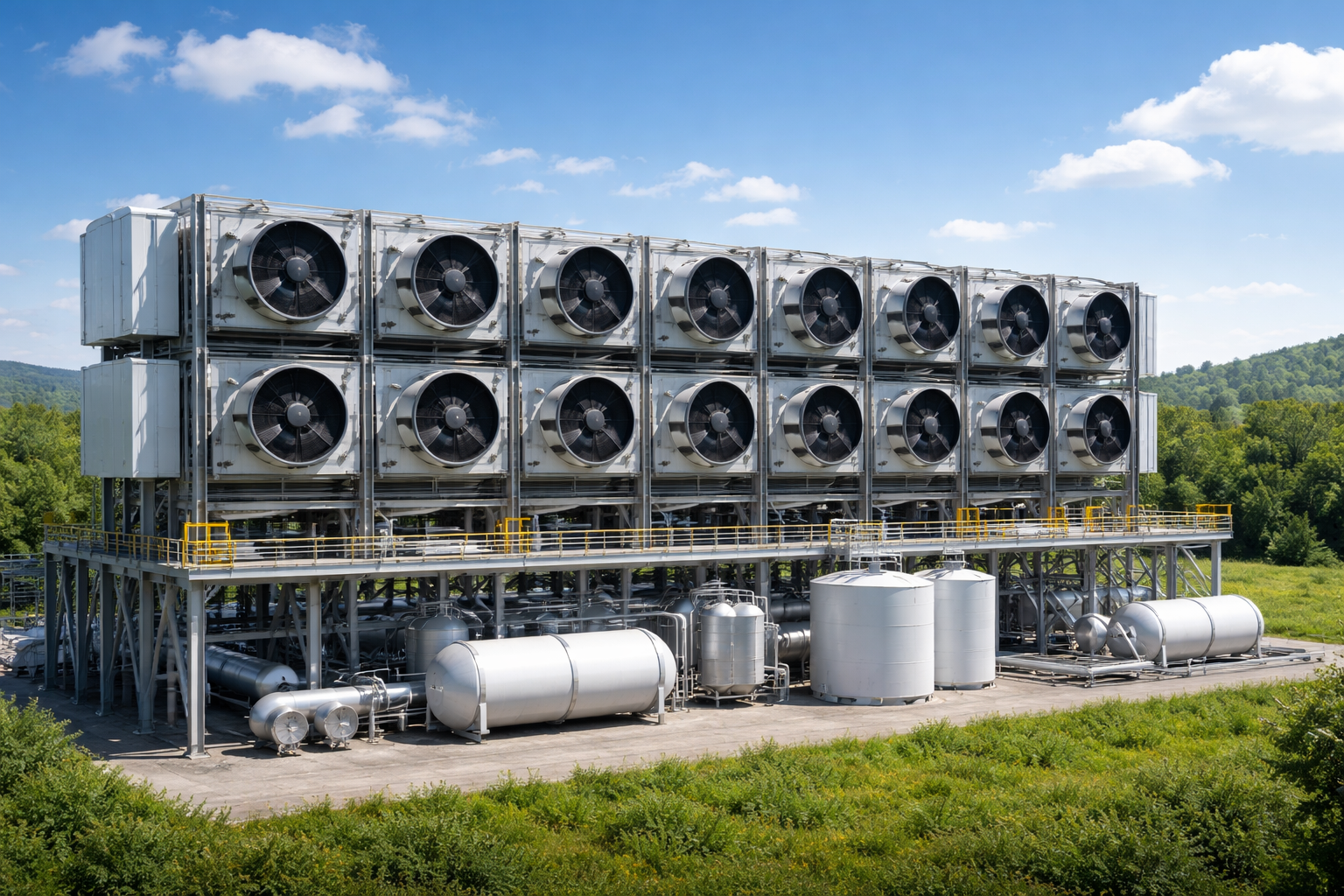
Direct Air Capture Technology

Direct Air Capture (DAC)

  • Advanced carbon removal technology that extracts CO₂ directly from ambient air
  • Uses chemical processes to efficiently capture carbon dioxide
  • Captured CO₂ can be stored underground for long-term sequestration
  • Carbon can be repurposed to produce synthetic fuels and other applications
  • Current systems are energy-intensive and require significant electricity
  • Best environmental impact is achieved when powered by renewable energy sources

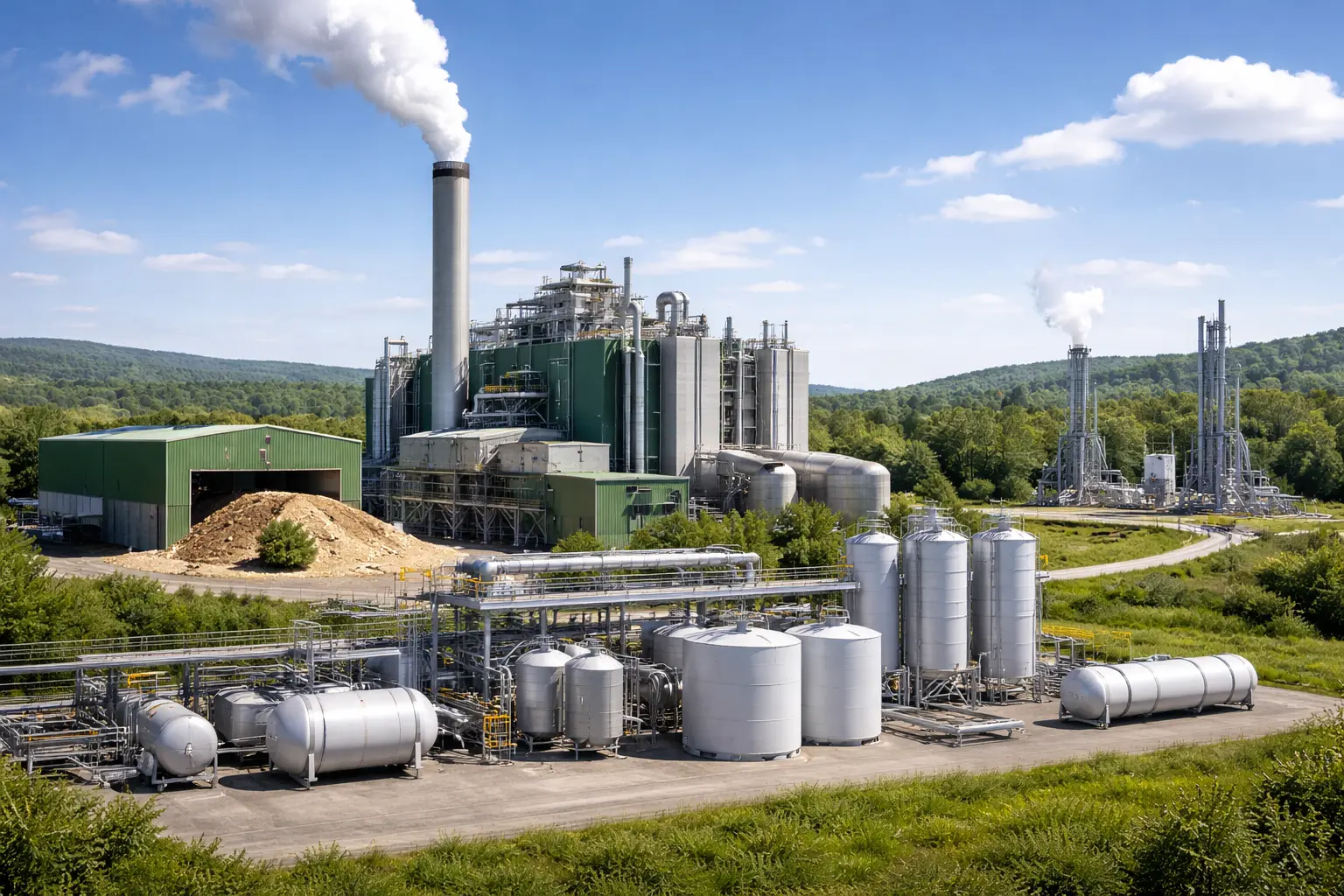
Bioenergy with Carbon Capture and Storage (BECCS)

  • Combines renewable biomass energy generation with carbon capture technology to create a net-negative carbon solution
  • Biomass sources include agricultural residues, energy crops, and forestry products used for energy generation
  • During growth, biomass absorbs CO₂, creating a closed-loop carbon cycle that offsets emissions
  • This process can result in significant net reductions in atmospheric CO₂ levels
Bioenergy with Carbon Capture and Storage
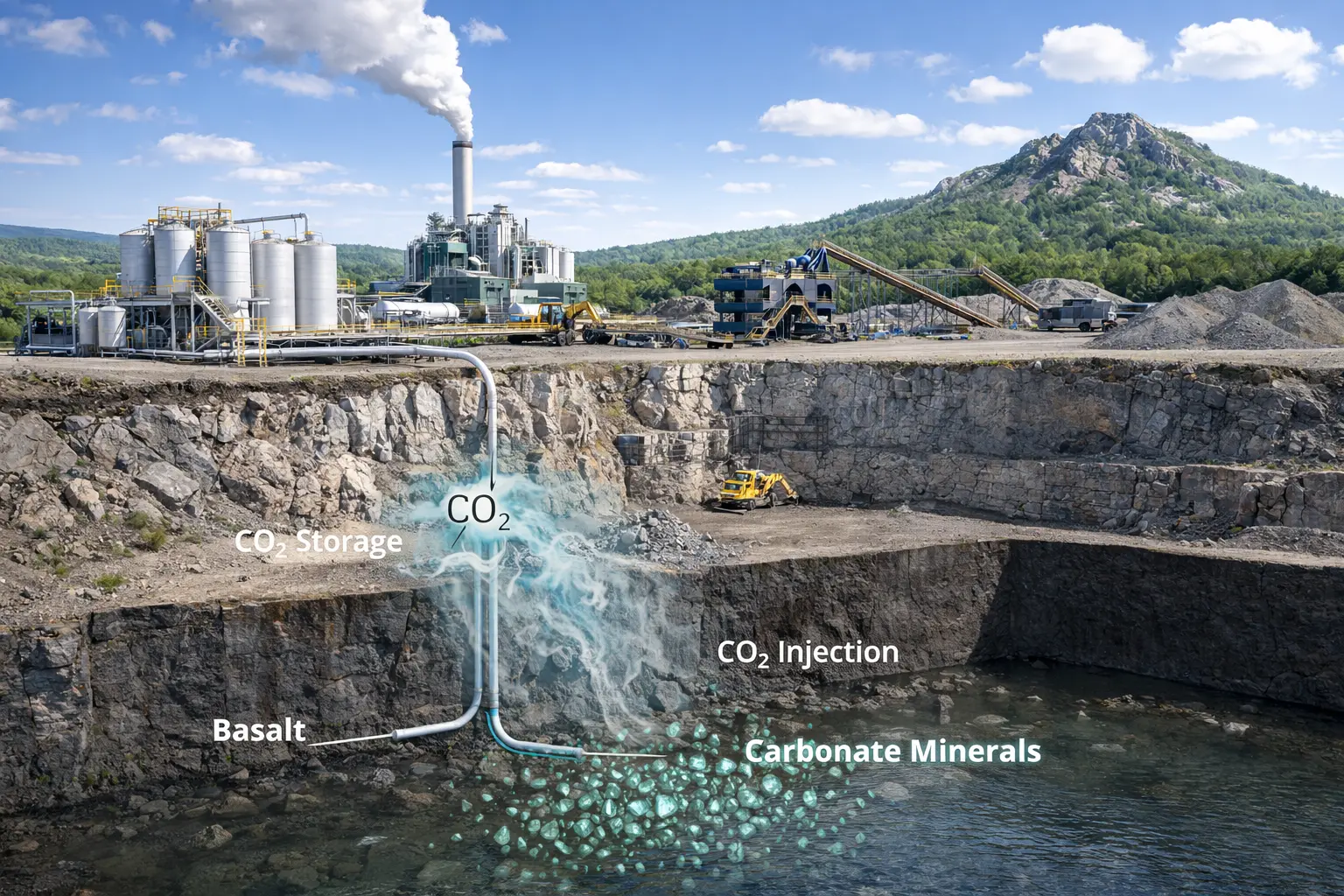
Carbon Mineralization

Carbon Mineralization

  • Converts carbon dioxide into stable solid minerals such as calcite and magnesite through chemical reactions
  • Effectively sequesters CO₂ in a non-gaseous form, providing long-term and secure carbon storage
  • Utilizes naturally occurring minerals like olivine and basalt that react with CO₂
  • Creates opportunities for new industries focused on solid carbonate extraction and utilization
  • Challenges include suitable geology selection, efficient scaling, and ensuring economic and environmental viability

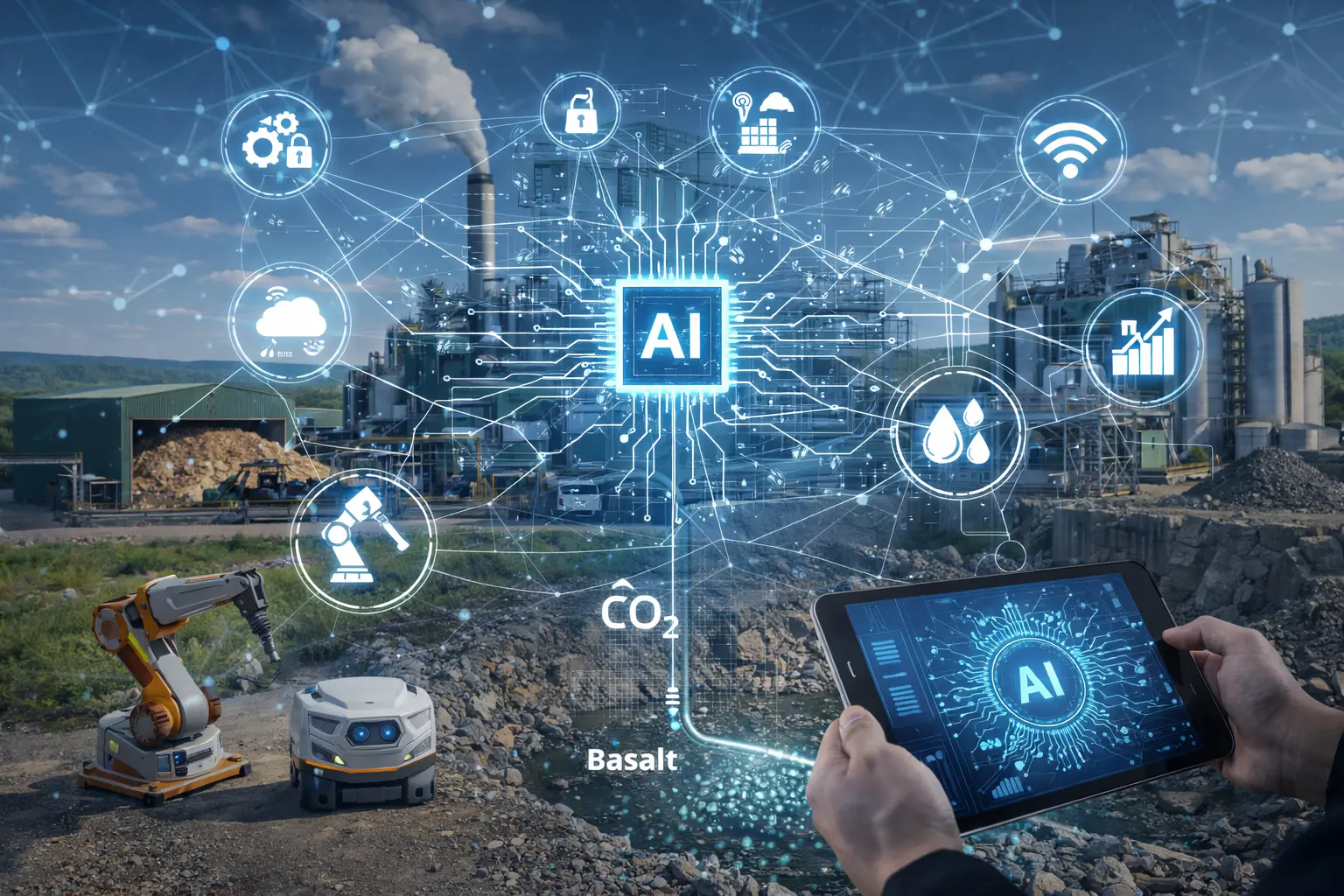
AI and IoT Integration

  • AI and IoT integration transforms how emissions are monitored, predicted, and reported across industries
  • AI-powered analytics process large datasets from IoT devices to identify trends, forecast emissions, and optimize resources
  • Smart sensors enable real-time emission tracking and rapid response to excessive emission levels
  • Improves regulatory compliance while supporting sustainability goals and efficiency improvements
  • Continued innovation, research, and supportive policies are essential to achieving global climate and economic benefits
AI and IoT Integration in Carbon Monitoring