Waste-Water Treatment Technology

  • 💧 Wastewater treatment technology comprises a systematic combination of physical, chemical, and biological processes engineered to remove contaminants from wastewater generated by municipal, industrial, and agricultural sources.
  • These treatment processes are designed to achieve regulatory-compliant effluent quality, enabling safe discharge into the environment or reuse in various applications.
  • ♻️ Modern wastewater treatment systems emphasize high-efficiency pollutant removal, process reliability, and environmental protection.
  • Advanced technologies facilitate resource recovery, including treated water reuse, biogas generation, and nutrient recovery, while reducing public health risks and environmental impacts.
  • 🌍 In the context of rapid urbanization and industrial expansion, wastewater treatment plays a vital role in sustainable water management, pollution control, and climate resilience.
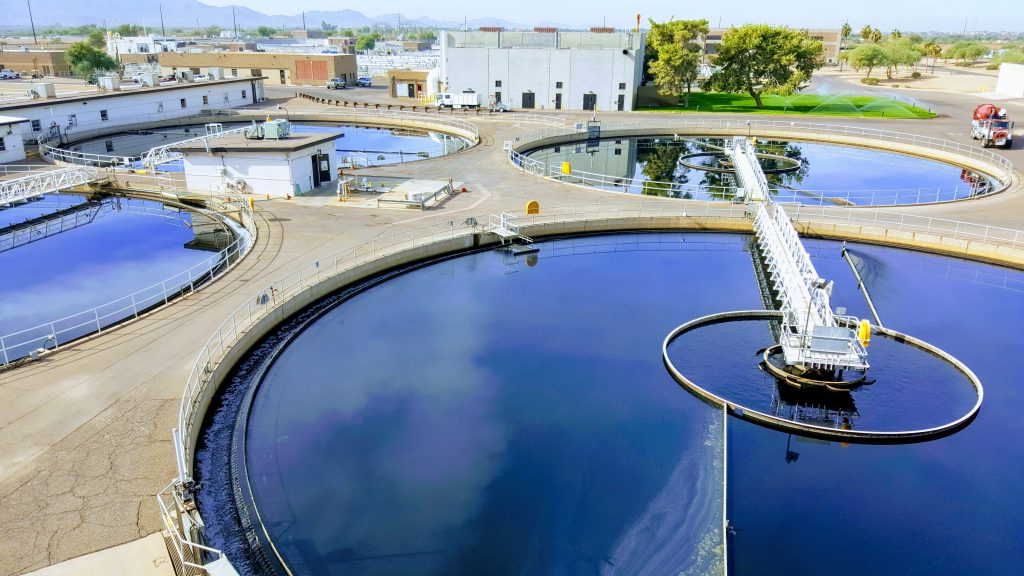
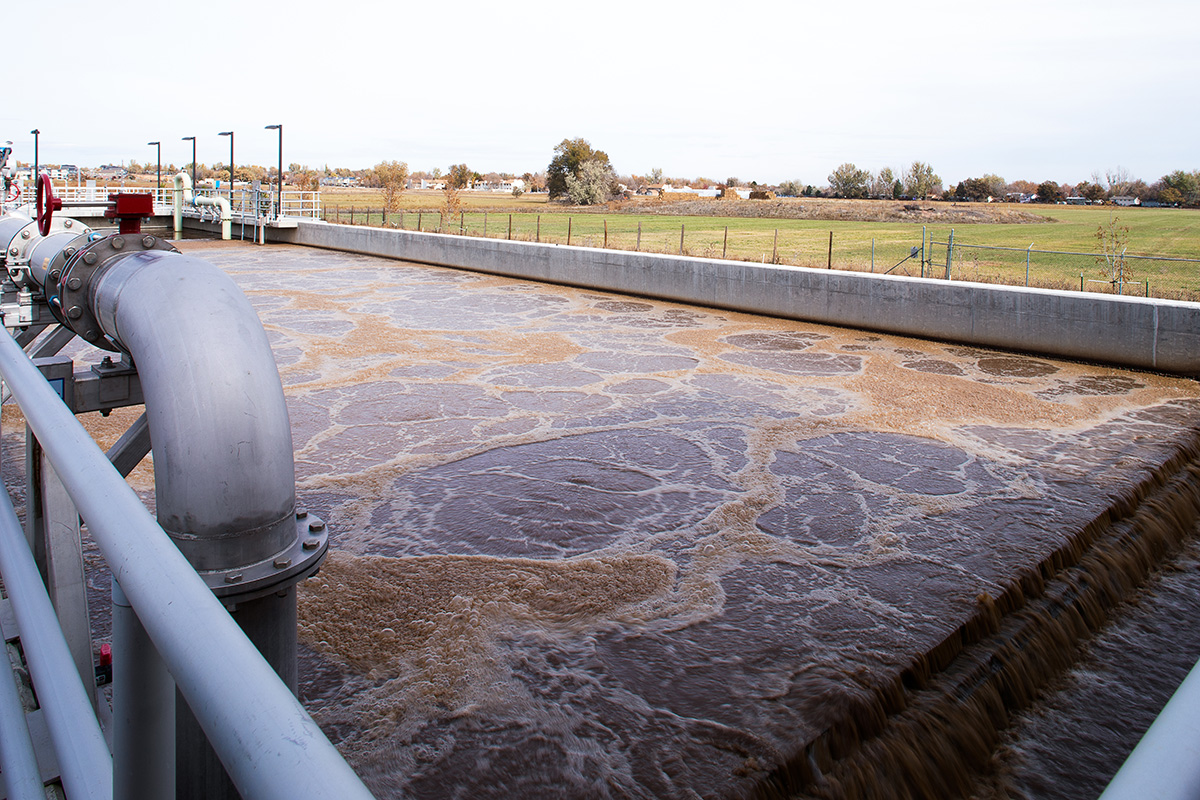
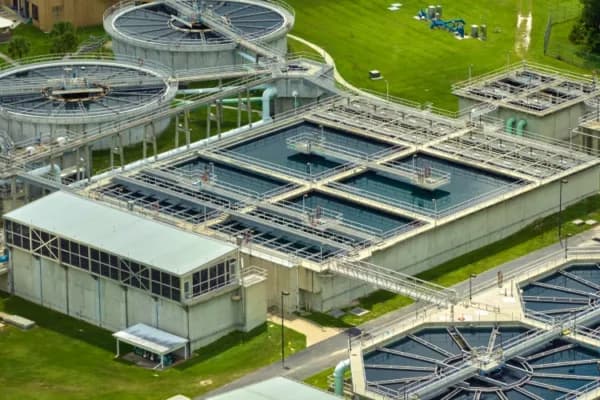
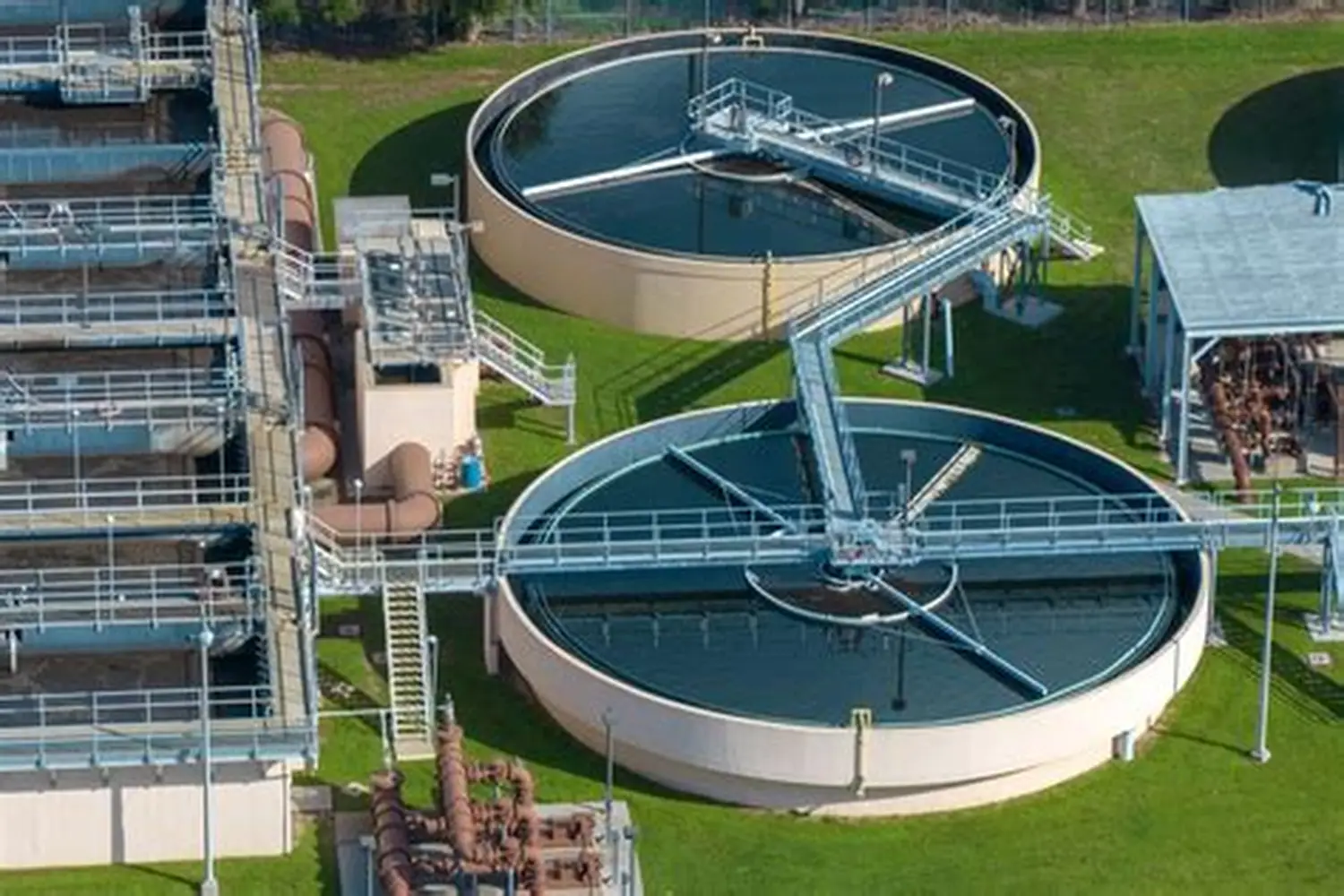
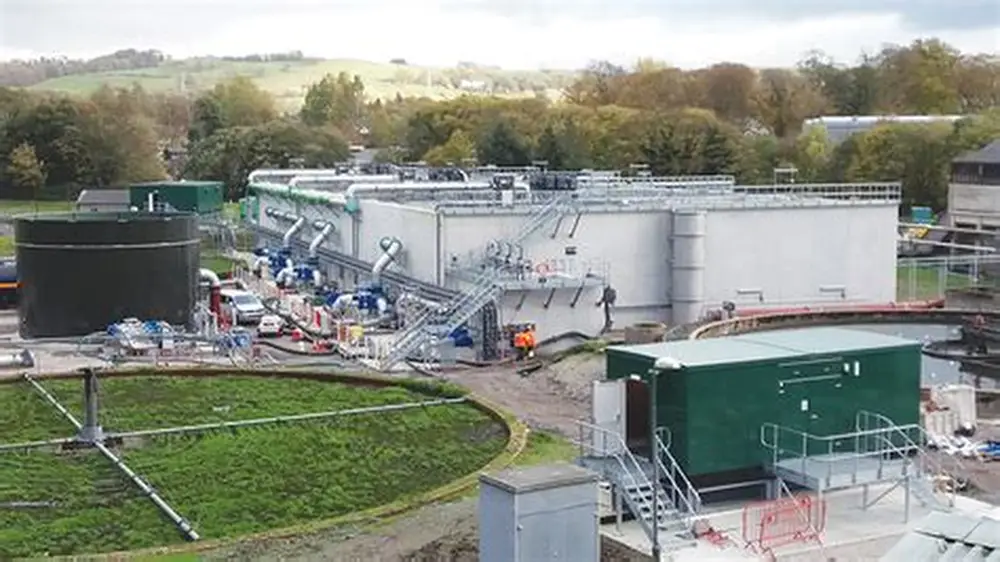
Wastewater Treatment Plant 1 Wastewater Treatment Plant 2 Wastewater Treatment Plant 3

Types of Water Treatment

01

Sewage Water Treatment

This process focuses on domestic wastewate—the water coming from homes, kitchens, bathrooms, and municipal drains.The goal is to remove organic matter, suspended solids, and disease‑causing pathogens.

02

Effluent Water Treatment

Effluent refers to industrial wastewater,which contains more complex and hazardous pollutants. This treatment removes chemicals, oils, dyes, heavy metals, and toxic substances generated by factories and industrial processes.

03

Demineralised Water

Demineralisation removes dissolved minerals and salts from water. Industries such as power plants, pharmaceuticals, and electronics require water with very low mineral content to prevent scaling, corrosion, or contamination.

04

Deionized Water

Deionization removes charged ions (like calcium, magnesium, chloride, sulfate) using ion‑exchange resins. The result is ultra‑pure water, often used in laboratories, medical facilities, and precision manufacturing.

05

Reverse Osmosis (RO)

Reverse Osmosis is a pressure‑driven membrane filtration process that removes dissolved salts, ions, microorganisms, and organic molecules from water.

Stages of Wastewater Treatment

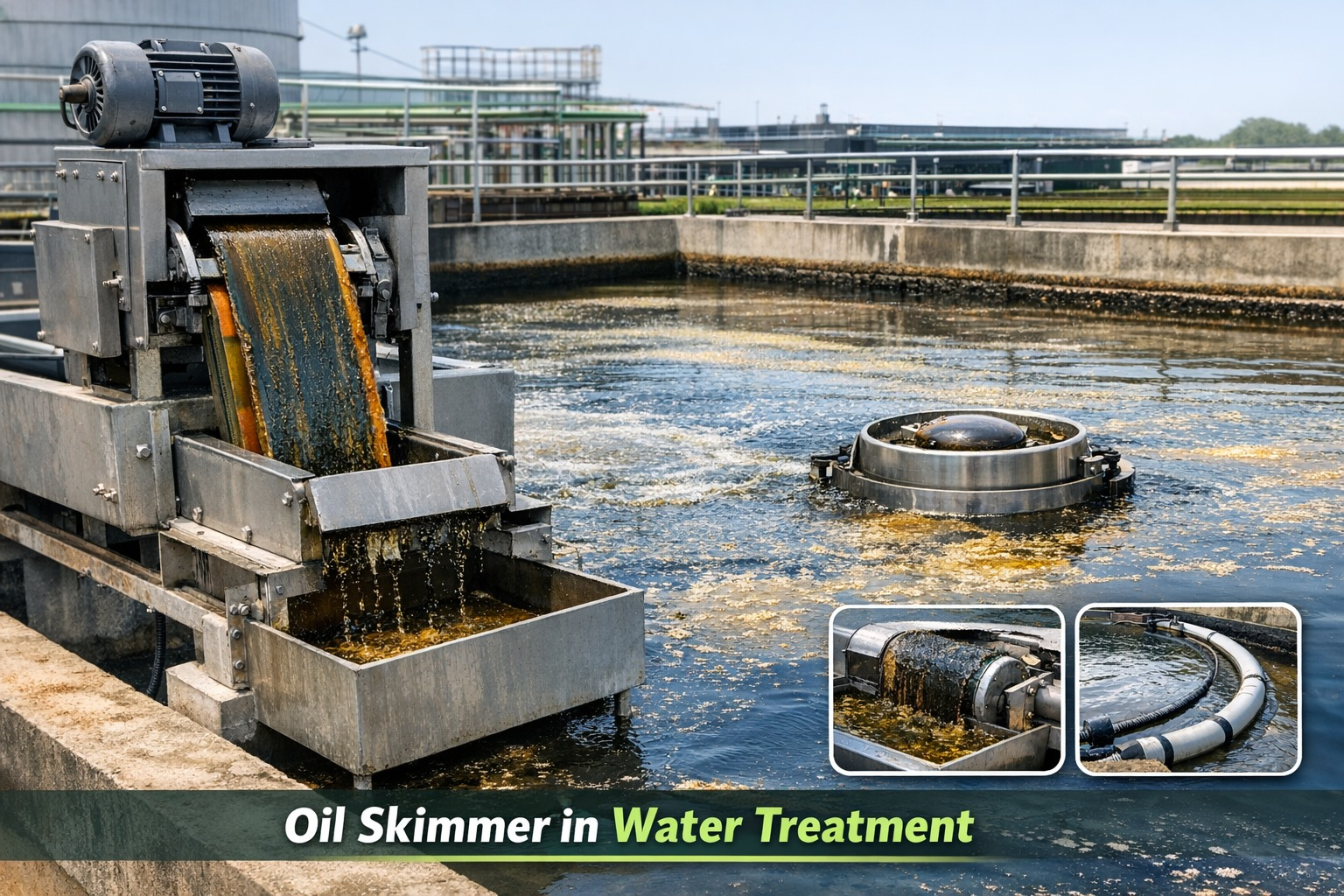
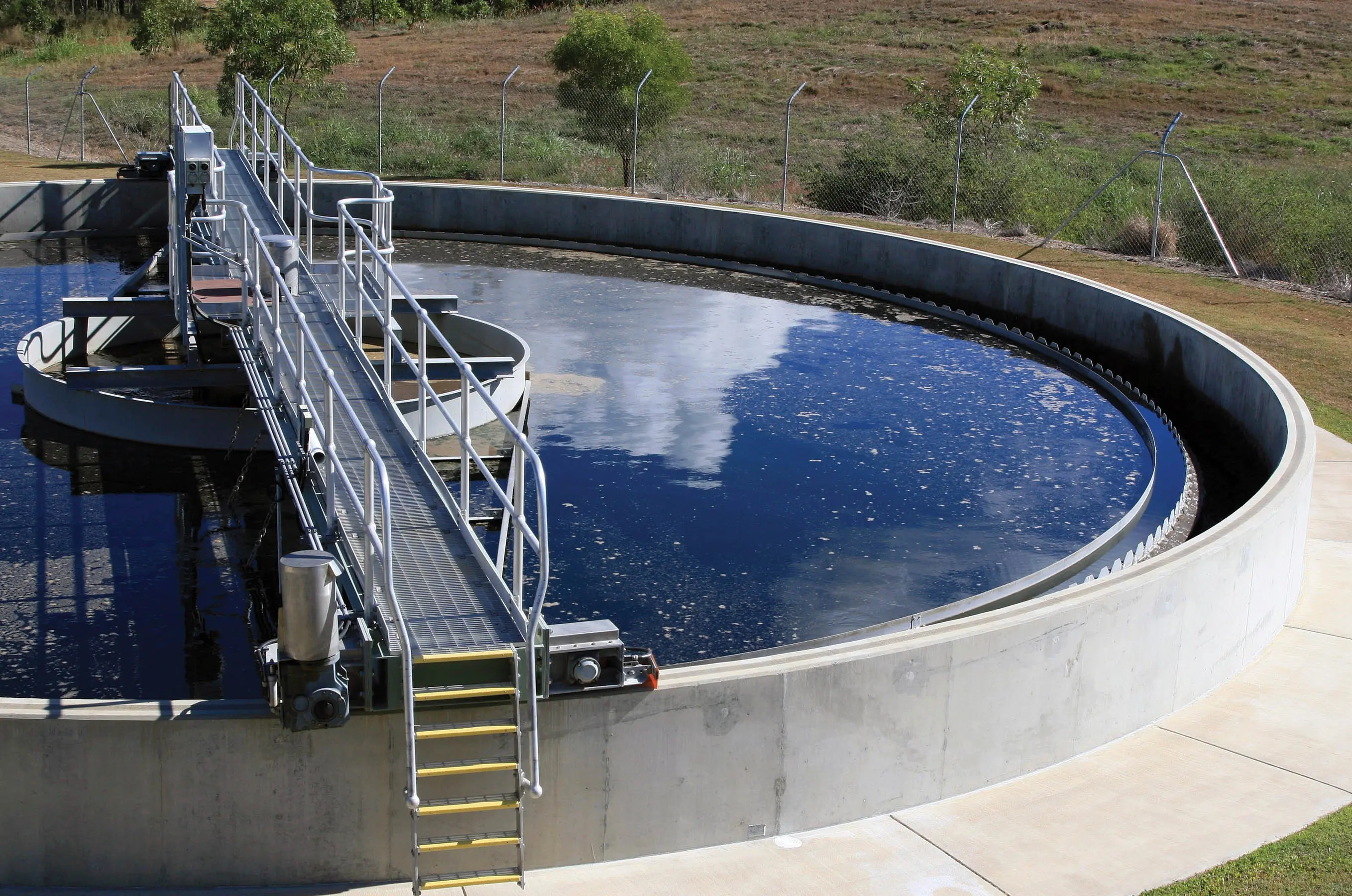
Oil Trap

The first stage where large debris, plastics, rags, and grit are removed to prevent equipment damage.
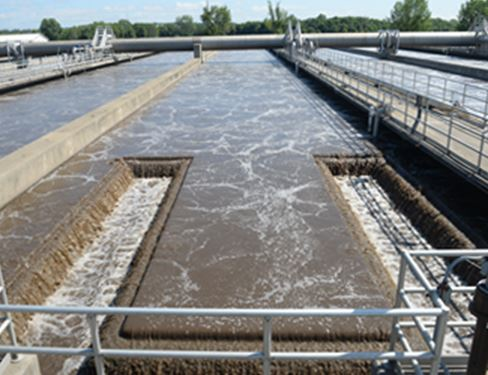
Primary Treatment

Sedimentation to settle suspended solids and skimming to remove oils and grease.
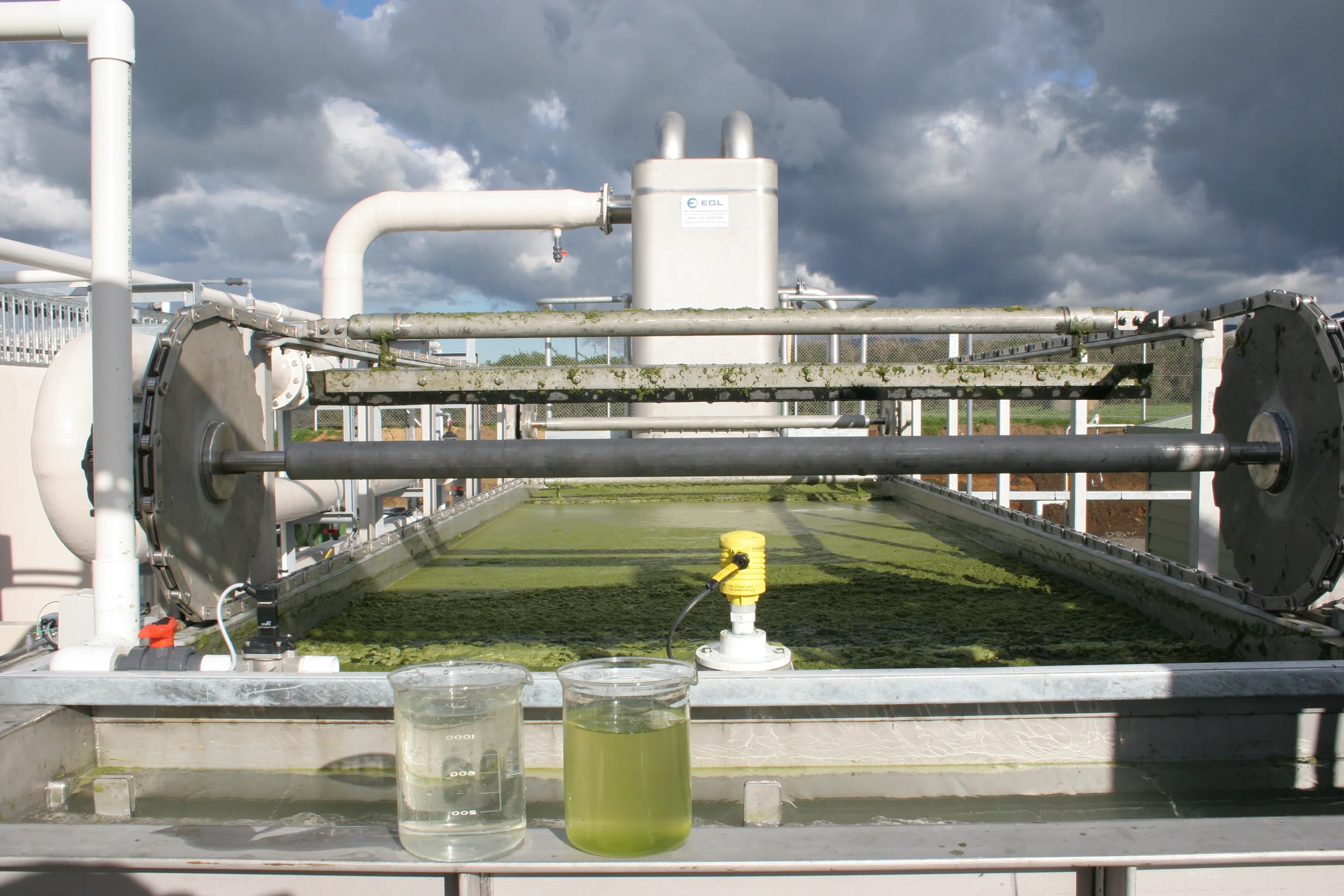
Secondary Treatment

Secondary treatment uses biological processes to break down dissolved and suspended organic matter.
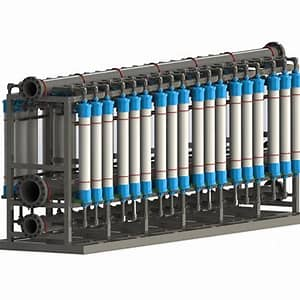
Tertiary Treatment

This final polishing stage removes remaining nutrients, pathogens, and fine particles.
Emerging and Advanced Waste Water Treatment Technology

Emerging and advanced wastewater treatment technologies represent next-generation process solutions engineered to overcome the operational and performance limitations of conventional treatment systems. These technologies deliver higher treatment efficiency, advanced contaminant removal, and improved process stability, enabling consistent achievement of stringent discharge and reuse standards under varying influent conditions.


Advanced treatment systems are capable of removing complex pollutants, including nutrients, refractory organic compounds, and micropollutants, while improving system reliability and operational resilience. Through the integration of resource recovery, energy optimization, and water reuse processes, these technologies support sustainable wastewater management and play a critical role in meeting the demands of large-scale municipal and industrial applications, ensuring long-term environmental protection and regulatory compliance.

Membrane Bioreactors

Membrane Bioreactors
(MBR)

Combines biological processing with membrane filtration to deliver high-quality effluent suitable for reuse.
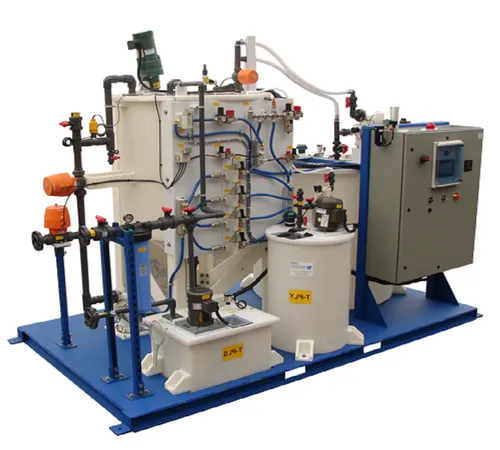
Electrocoagulation

Electro
coagulation

Uses an electrical current to destabilize and remove heavy metals, oils, dyes, and suspended solids with high efficiency.
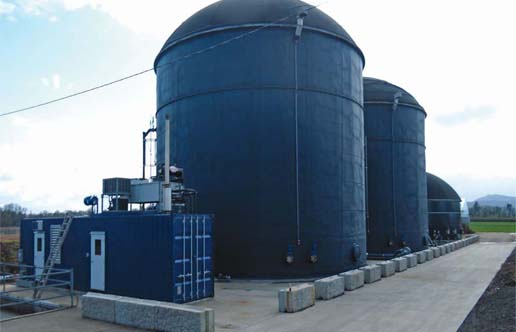
Anaerobic Digestion

Anaerobic Digestion

A biological process where microorganisms break down organic waste in oxygen‑free conditions, producing biogas for energy recovery and a stabilized sludge for safe disposal.
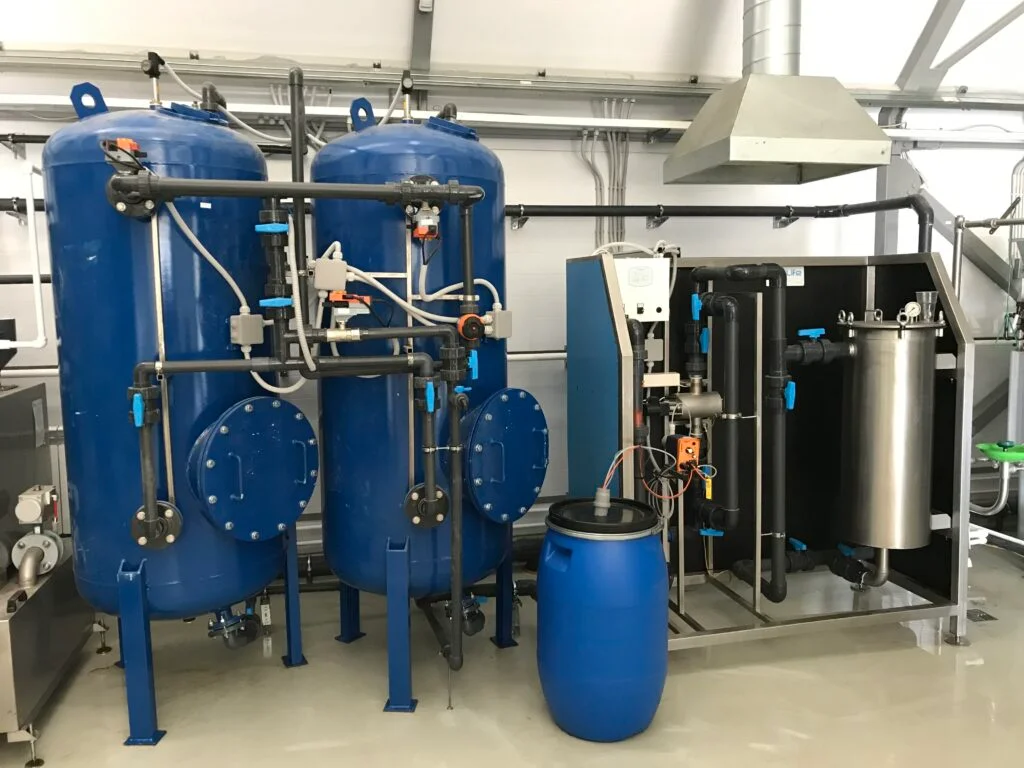
Advanced Oxidation Processes

Advanced Oxidation
Processes (AOPs)

A low‑energy membrane process that uses natural osmotic pressure to draw clean water through a semi‑permeable membrane, making it effective for treating complex wastewater and enabling reuse.
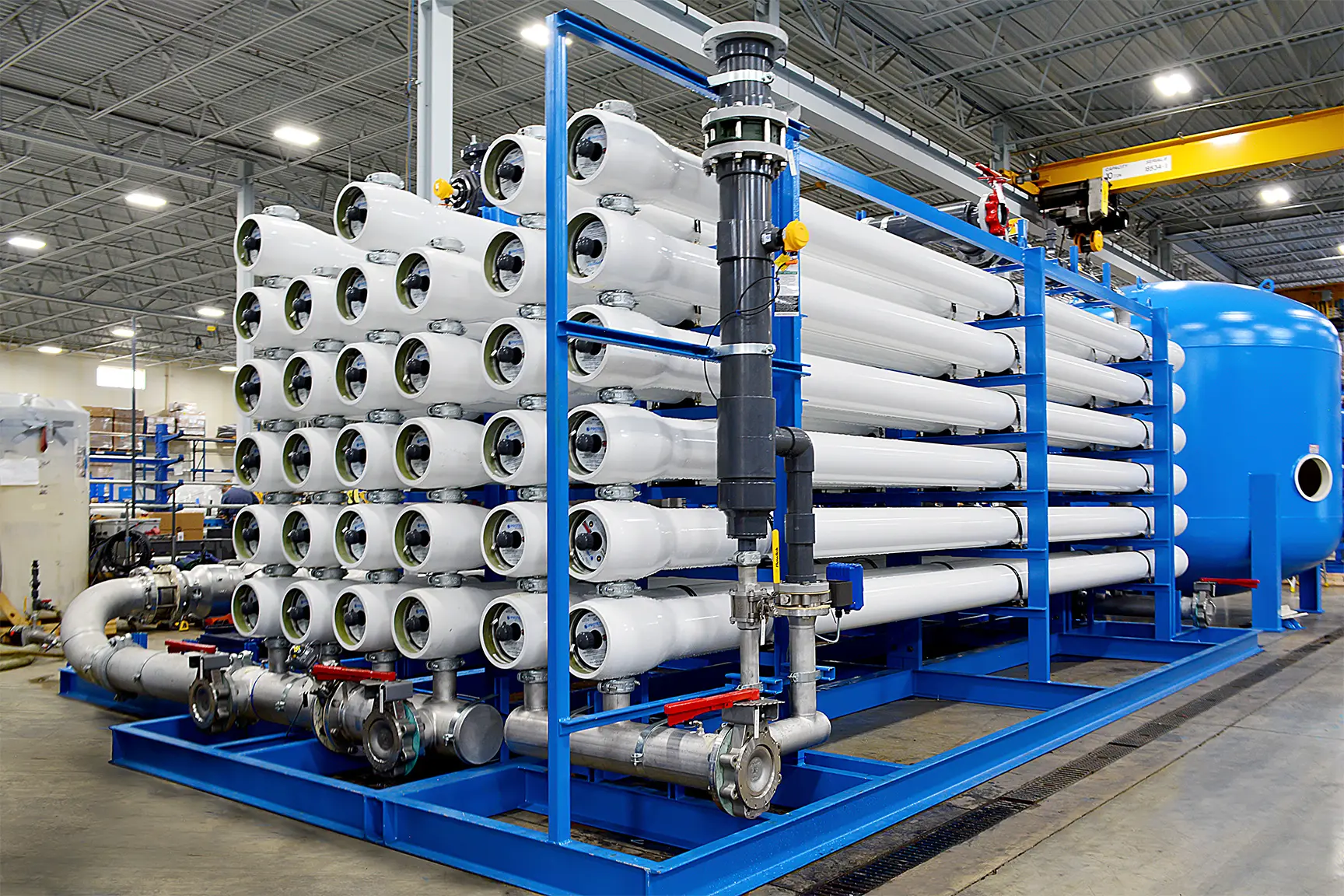
Reverse Osmosis

Reverse Osmosis
(RO)

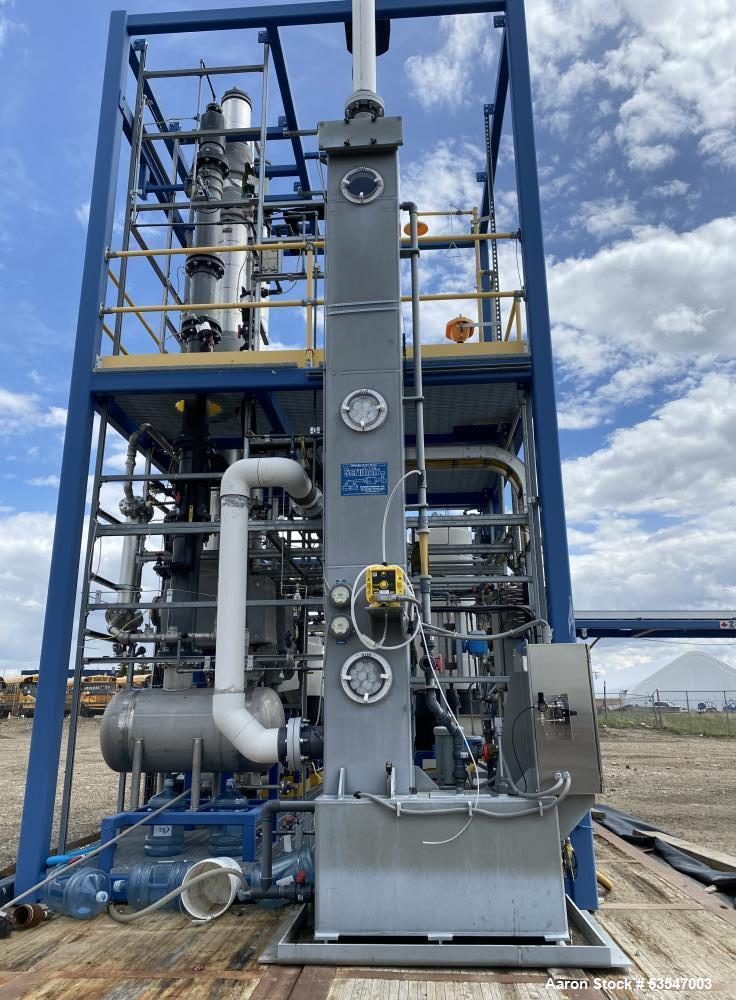
A pressure‑driven membrane process that removes dissolved salts, ions, microorganisms, and organic molecules to produce high‑purity water.
Forward Osmosis

Forward Osmosis
(FO)

Uses natural osmotic pressure to draw clean water through a membrane, offering low‑energy, fouling‑resistant treatment for complex wastewater and enabling reuse.
Sludge Treatment & Disposal

  • ➡️ Sludge separated from treated water contains organic/inorganic solids, pathogens, nutrients, heavy metals, and residual chemicals
  • ➡️ Effective treatment reduces environmental risks, improves operational efficiency, and ensures compliance
  • ➡️ Supports sustainable waste management by recovering energy and nutrients from sludge
  • ➡️ Ensures public health protection and safe disposal practices
Sludge Treatment Process

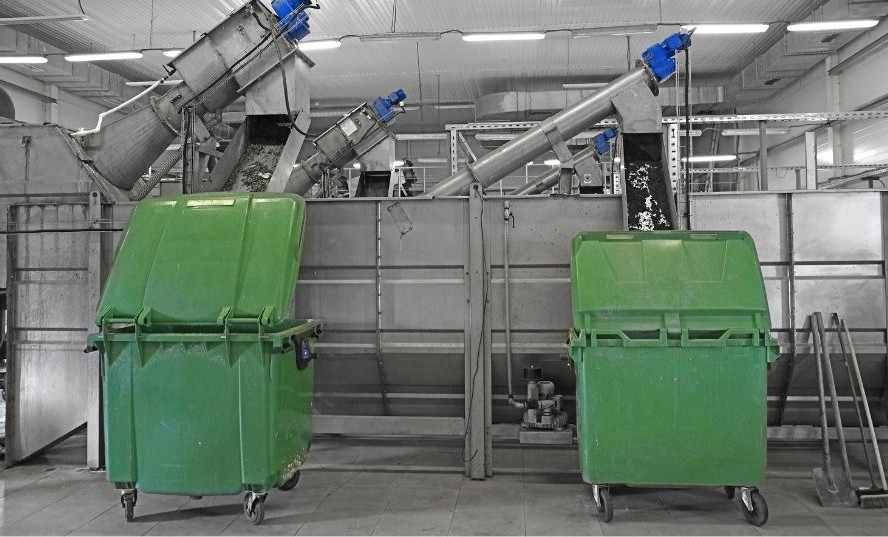
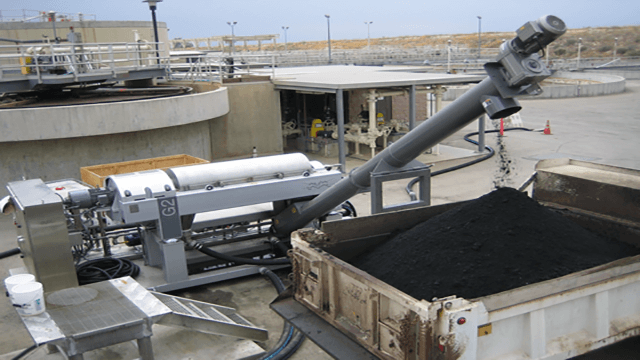
Thickening and Dewatering

  • Thickening increases solids concentration by separating free water using gravity thickeners, DAF units, or rotary drums
  • Dewatering reduces residual moisture via mechanical systems like belt filter presses, centrifuges, screw presses, producing semi-solid sludge cake
  • Minimizes transportation costs and reduces load on subsequent treatment stages
Thickening and Dewatering Process

Stabilization

  • 💧 Reduces biodegradable organic matter and inactivates pathogens
  • 💧 Controls odor generation and prevents further biological decomposition
  • 💧 Anaerobic digestion produces biogas for energy recovery
  • 💧 Chemical stabilization (lime or chemicals) inhibits microbial activity and adjusts pH
  • 💧 Thermal treatment applies heat to destroy pathogens and reduce volatile solids
Sludge Stabilization Process

Final Disposal

  • Land application as soil conditioner or fertilizer after regulatory compliance
  • Composting converts sludge into nutrient-rich organic material
  • Incineration reduces sludge volume and destroys hazardous constituents
  • Secure landfill disposal for sludge that cannot be safely reused
Final Sludge Disposal